feb 25, 2026
María Luisa de la Cruz Briceño. Colegio Gondomar, Galapagar (Madrid)



Los caligramas son considerados un ejemplo de “poesía visual”, una forma de expresar emociones o sentimientos a través de la combinación de imágenes y palabras que se entrelazan por medio de la creación artística. Sin embargo, también son un componente educativo ideal, especialmente en la asignatura de Inglés, para que nuestro alumnado aprenda vocabulario emocional y fomente el pensamiento creativo. En esta línea, inspirados por un concurso de la editorial Oxford y la formación de Desarrollo Afectivo que recibieron el pasado año como centro de Año 1 del programa Educación Responsable, el Colegio Gondomar, en Galapagar (Madrid), ha creado un recurso para que los estudiantes de 3º de la ESO trabajen las emociones.
En definitiva, poner al alumnado en el centro y que sea el motor de su propia motivación.
La primera sesión comienza planteando una serie de preguntas al alumnado:
Después debatimos sobre si esas emociones son positivas o negativas:
Emotions are complex psychological states that involve three distinct components: a subjective experience, a physiological response, and a behavioral or expressive response. Here are some common emotions:
dangerous.
These emotions can vary in intensity and can be influenced by a variety of factors, including personal experiences, cultural background, and individual temperament.
Cuando terminemos de enumerar las emociones básicas o aquellas que nuestros estudiantes conozcan, se plantean las siguientes preguntas:
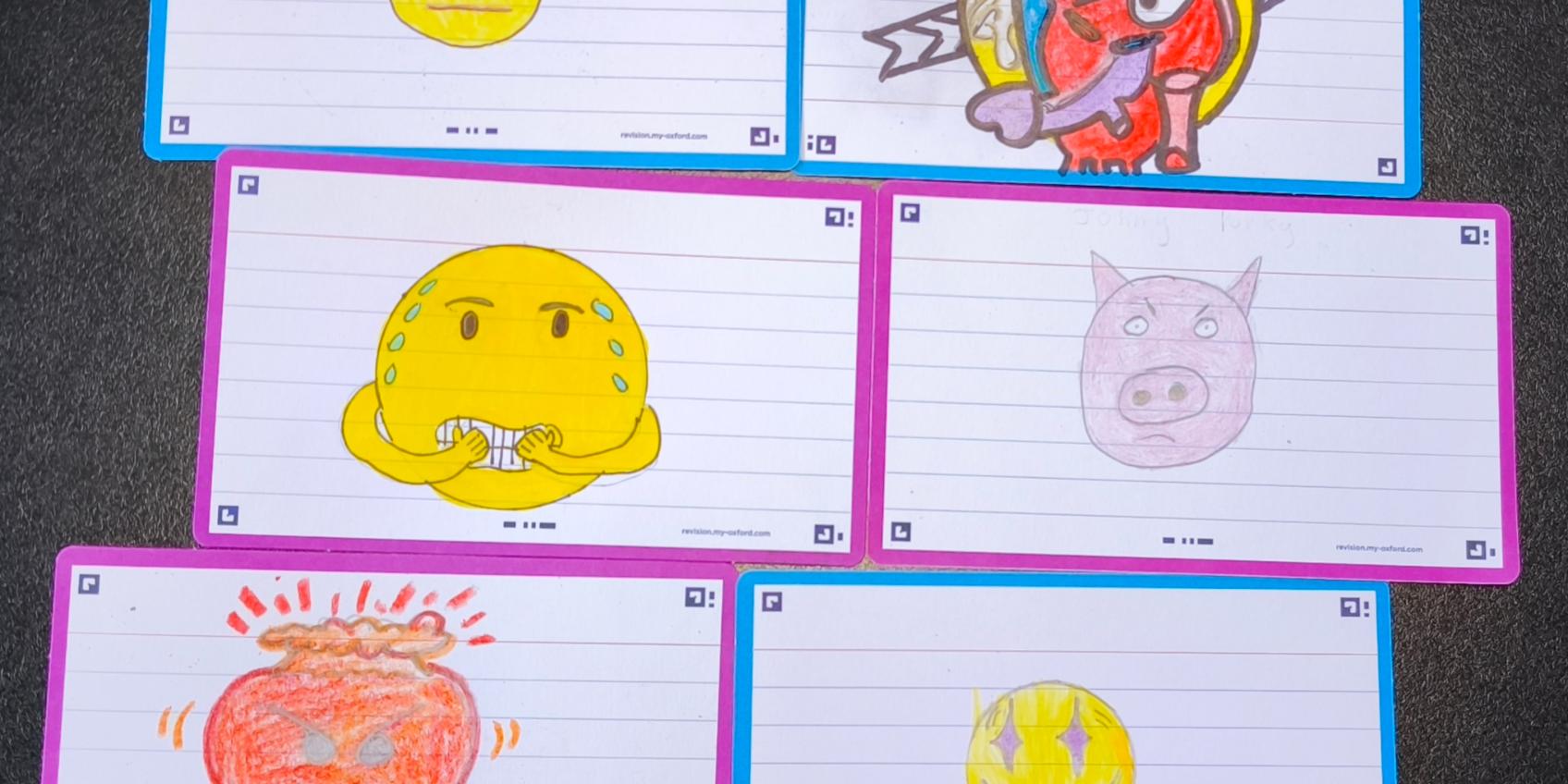
Actividad comodín: Los alumnos van a diseñar su emoji ideal para expresar un sentimiento difícil de expresar para cada uno.
Durante la segunda sesión, los alumnos se colocarán por parejas, uno enfrente del otro. El docente enseñará una emoción y quién esté mirando al docente deberá hacer mímica expresando esa emoción y la otra persona tendrá qué adivinarla.
Cuando terminemos con todas las emociones, debatiremos si ha habido alguna emoción más difícil de adivinar qué otra.
Instructions: Stand up in front of your classmate. The one who is in front of me is going to see an emotion. That person must try to mime the emotion and the other one must guess which emotion his/her classmate is miming. When your classmate is right, switch and then it’s the other one’s turn to mime the emotion. After working with all of them we are discussing which has been the most difficult one to guess and why.
(Make notes with the emotions in Spanish and English).
Por otro lado, en la tercera sesión hablaremos de una emoción positiva que hayamos sentido últimamente.
Finalmente, en la cuarta sesión presentamos el arte como forma de expresar sentimientos de manera creativa. El caligrama es una forma de arte literario que combina palabras y diseño visual. Nos permite expresar ideas o sentimientos a través de la disposición del texto en formas que refuercen el mensaje. En esta actividad, exploraremos cómo plasmar un sentimiento positivo en un diseño único que lo represente, ayudándonos a reflexionar sobre la relación entre las palabras y las imágenes.
El objetivo es que los estudiantes comprendan cómo los elementos visuales (formas, colores y organización) pueden reforzar el significado de las palabras y potenciar la expresión de sentimientos.
WHAT IS A CALLIGRAM? (See presentation)
Calligrams are an artistic manifestation that links text and image in an intimate relationship that reinforces the meaning of the content of the poem or phrase. It is a form of visual poetry which stands out by combining the arrangement of words with a graphic design that illustrates or reinforces the content.